
From diagnosis to recovery, Dr. Sharma’s team ensures every step of your immunotherapy journey is guided by experience and personalised care. Book a consultation to discuss the right immunotherapy approach for your diagnosis.
Immunotherapy in Delhi-NCR
Immunotherapy is an advanced blood cancer treatment that helps the immune system recognize and attack cancer cells, used alone or alongside chemotherapy, targeted therapy, or bone marrow transplant depending on disease type and stage. Dr. Sanjeev Kumar Sharma, Principal Director, Hemato-Oncology & BMT at Paras Health Gurugram, offers personalised immunotherapy treatment in Gurgaon, with 20+ years of experience tailoring plans to each patient’s diagnosis. This page covers how immunotherapy works, its types, and who it’s suitable for.
A blood cancer diagnosis raises many questions, and immunotherapy is often discussed alongside more traditional treatments like chemotherapy. Dr. Sanjeev Kumar Sharma guides patients through every stage of immunotherapy, from diagnosis to recovery, with treatment plans personalised to each patient’s overall health.
What is Immunotherapy and How Does it Work?
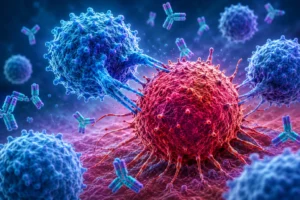
Immunotherapy takes a different approach from chemotherapy. Rather than directly destroying cancer cells, it works with your immune system, helping it recognize cancer cells as a threat and respond to them naturally. This can mean helping immune cells detect cancer cells that were previously going unnoticed, removing the “brakes” that stop the immune system from attacking cancer, or engineering immune cells to target cancer more precisely.
Because it works with the body’s own defences rather than attacking cells directly, immunotherapy often causes a different pattern of side effects compared to chemotherapy, and in many cases, a gentler one.
Types of Immunotherapy for Blood Cancer
Immunotherapy isn’t a single treatment; it’s a category of approaches, and the right one depends on your specific diagnosis.
Monoclonal Antibody Therapy
Lab-made antibodies are designed to identify and bind to specific markers on cancer cells, helping the immune system locate and destroy them more effectively. This is commonly used for certain lymphomas and leukemias.
Immune Checkpoint Inhibitors
Cancer cells can sometimes “hide” from the immune system by activating checkpoints that suppress immune response. Checkpoint inhibitors block this process, allowing the immune system to recognize and attack cancer cells more freely.
CAR-T Cell Therapy
A patient’s own T-cells are collected, genetically modified in a lab to better recognize cancer cells, and reintroduced into the body. This advanced approach is often considered for relapsed leukemia or lymphoma when other treatments haven’t worked.
Immunotherapy for Multiple Myeloma
Certain immunotherapy approaches help the immune system target abnormal plasma cells in multiple myeloma, often used alongside other treatments to improve long-term disease control.
Reach Out for Expert Care
Who Can Benefit from Immunotherapy?
Immunotherapy may be considered if you:
- Have a lymphoma or leukemia known to respond well to immune-based treatment
- Have relapsed or treatment-resistant leukemia or lymphoma
- Are looking for a treatment option that works differently from chemotherapy
- May benefit from combining immunotherapy with chemotherapy, targeted therapy, or bone marrow transplant
Immunotherapy is also sometimes used before a bone marrow transplant, helping bring the disease under control and preparing the body to better accept new, healthy stem cells.
Immunotherapy vs CAR T-Cell Therapy: What’s the Difference?
| Feature | Standard Immunotherapy | CAR T-Cell Therapy |
| How it Works | Helps the immune system recognize cancer cells using antibodies or checkpoint inhibitors | Re-engineers a patient’s own T-cells to directly target cancer cells |
| Complexity | Simpler, IV-based administration | More complex, involves cell collection and lab modification |
| Hospital Stay | Usually outpatient | Often requires a short hospital stay for monitoring |
| Common Uses | Certain lymphomas, leukemias, myeloma | Relapsed or treatment-resistant leukemia and lymphoma |
| Treatment Goal | Support and strengthen immune response | Precisely engineered immune attack on cancer cells |
What Happens During Immunotherapy Treatment?
To confirm the type and stage of blood cancer and check whether immunotherapy is a suitable option. Based on this, your specialist selects the most appropriate approach, whether that’s monoclonal antibody therapy, a checkpoint inhibitor, or CAR T-cell therapy.
Treatment begins with a detailed diagnostic workup which includes:
- Blood Tests
- Bone Marrow Biopsy
- Imaging
Most immunotherapy treatments are given through an IV infusion, usually as an outpatient procedure, though CAR T-cell therapy may require a short hospital stay for close monitoring. Throughout treatment, regular blood tests and follow-up visits help track how well it’s working and manage any side effects along the way.
Is Immunotherapy Painful?
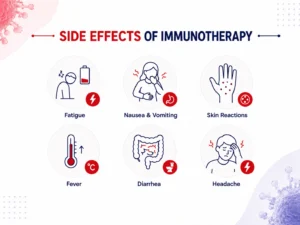
Immunotherapy itself is not typically painful; most patients describe the IV infusion as similar to a routine drip, though sessions may take longer than a standard blood draw. That said, it can cause side effects such as flu-like symptoms, fatigue, or skin reactions. These vary from person to person and are closely monitored and managed throughout treatment.
Common side effects include:
- Flu-like symptoms such as fever or chills
- Fatigue and low energy
- Skin reactions at the infusion site or elsewhere on the body
- Nausea or digestive discomfort
- Immune-related reactions affecting organs such as the lungs, liver, or thyroid, in some patients
- Long-term effects in some patients, monitored through regular follow-up
What is the Cost of Immunotherapy for Blood Cancer in Gurgaon?
Cost varies from patient to patient based on several factors, and a consultation with Dr. Sanjeev Kumar Sharma can help determine an accurate estimate for your treatment plan.
Factors That Influence Cost:
- Type and stage of blood cancer
- Specific immunotherapy approach used (monoclonal antibody, checkpoint inhibitor, or CAR T-cell therapy)
- Number of treatment cycles required
- Whether treatment is outpatient or requires hospital admission
- Need for supportive care or additional medications
Why Choose Dr. Sanjeev Kumar Sharma for Immunotherapy in Gurgaon?
Choosing the right specialist matters when immunotherapy is part of your treatment plan. Here’s why patients across Gurgaon and Delhi-NCR trust Dr. Sanjeev Kumar Sharma:
- 20+ Years of Experience in Hemato-Oncology & Bone Marrow Transplant
- Personalised immunotherapy protocols based on cancer type and individual patient needs
- Comprehensive supportive care to manage side effects throughout treatment
- Seamless coordination between immunotherapy, chemotherapy, and bone marrow transplant when needed
Reach Out for Expert Care
Take the Next Step Toward Recovery
Facing a blood cancer diagnosis can feel overwhelming, but the right treatment plan and specialist support can make a real difference. Consult Dr. Sanjeev Kumar Sharma for a personalised immunotherapy treatment plan designed around your diagnosis and recovery goals.
Medical Disclaimer: The information on this page is provided for educational purposes only and should not be used as a substitute for medical advice. Treatment recommendations vary from person to person and should always be based on an individual consultation and clinical evaluation by a qualified healthcare professional.
FAQ's
What is immunotherapy and how does it treat blood cancer? expand_more
Immunotherapy helps the immune system recognize and attack cancer cells, and is used to treat select lymphomas, leukemias, and multiple myeloma.
How is immunotherapy given for leukemia, and is it painful? expand_more
Immunotherapy is usually given through an IV infusion, and the procedure itself is not typically painful, though it may cause flu-like side effects.
What is the cost of immunotherapy for blood cancer in Gurgaon? expand_more
The cost depends on the type and stage of blood cancer, the specific approach used, and the number of treatment cycles, and is best confirmed during a consultation.
What is the success rate of immunotherapy for blood cancer? expand_more
Success rates vary depending on the type of blood cancer and how it responds to immune-based treatment, with many patients seeing meaningful improvement, especially when other treatments haven't worked as well.
What are the side effects of immunotherapy for blood cancer? expand_more
Common side effects include flu-like symptoms, fatigue, and skin reactions, most of which are manageable with supportive care and close monitoring.

Medical Content Grounded in Clinical Expertise
Medical information on this website is developed with a focus on clinical accuracy, current evidence, and patient understanding. Complex topics in haematology, blood disorders, and bone marrow transplantation are presented in clear, accessible language, with medical content carefully researched and reviewed to ensure it remains reliable, relevant, and useful for patients and their families.

 WhatsApp