
Cancer Therapies in Delhi-NCR
Advanced, personalised cancer therapies in Delhi-NCR under Dr. Sanjeev Kumar Sharma, Principal Director of Hemato-Oncology & BMT at Paras Health Gurugram. From chemotherapy and targeted therapy to immunotherapy, CAR-T and bone marrow transplant, every plan is built around you.
Book Free Screening
Connect with our specialists for personalised guidance
What Are Cancer Therapies and How Do They Work?
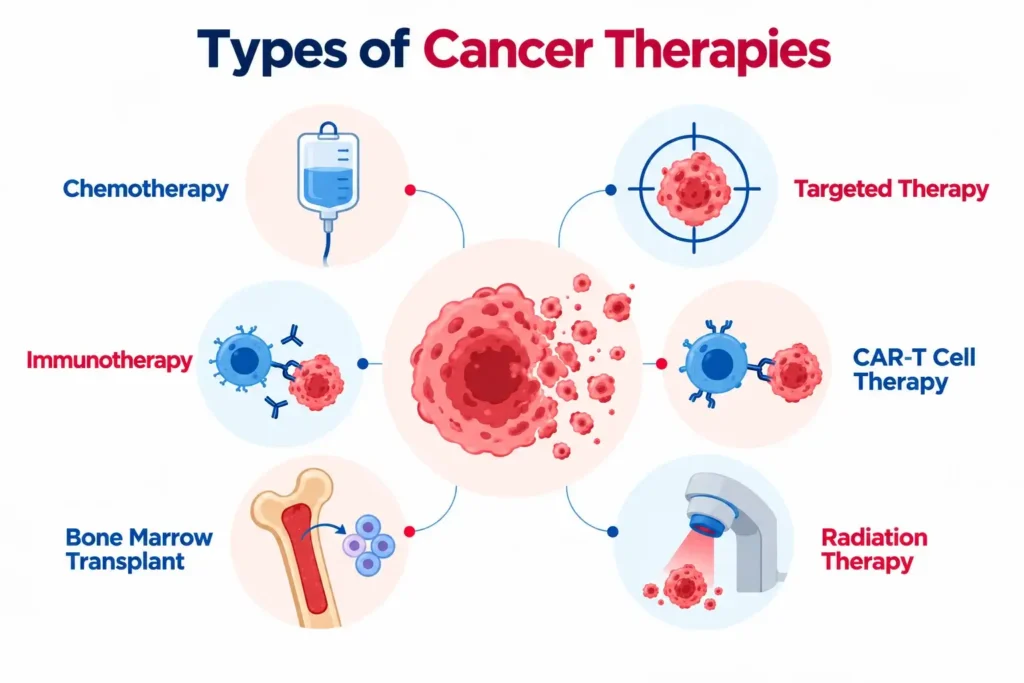
Cancer therapies are medical treatments that destroy cancer cells, stop them from growing and spreading, or help your body fight the disease. Some act on the whole body, while others target only the cancer cells. The right approach depends on the type of cancer, how advanced it is and your overall health.
Cancer happens when cells grow out of control and stop behaving like normal cells. In blood cancers, this happens in the blood, bone marrow or lymph nodes, which is why treatment often works through the bloodstream to reach cancer cells throughout the body.
Here is how the main therapies work:
- Chemotherapy: Medicines that kill fast-growing cells, given by IV or as tablets in planned cycles.
- Targeted therapy: Precision medicines that block specific proteins or genetic changes cancer cells depend on to survive.
- Immunotherapy: Treatment that helps your immune system recognise and attack cancer cells it was previously missing.
- CAR-T cell therapy: Your own T-cells are modified in a laboratory to find and destroy cancer cells, then returned to your body.
- Bone marrow transplant: Diseased marrow is replaced with healthy stem cells so your body can make normal blood cells again.
- Radiation therapy: Focused energy beams shrink or destroy cancer in a specific area.
Many patients receive more than one therapy in a planned sequence to improve results and protect healthy tissue. This is why a personalised cancer treatment plan matters. A hemato-oncologist in Delhi NCR studies your diagnosis and test results before recommending the safest combination for you.
What Types of Cancer Therapies Are Available?
The main types are chemotherapy, targeted therapy, immunotherapy, CAR-T cell therapy, bone marrow transplant and radiation therapy. Your doctor may use one or combine several.
Chemotherapy
Uses medicines, given by IV or as tablets, to kill or slow cancer cells. It is given in cycles with rest periods and remains central to treating leukaemia and lymphoma.
Targeted Therapy
Targeted therapy uses precision medicines that attack specific proteins or genetic changes in cancer cells. Often taken as tablets at home, it is used in CML, CLL, myeloma and many lymphomas, with treatment tailored to the cancer’s specific characteristics.
Immunotherapy
Immunotherapy helps your immune system find and destroy cancer cells. It includes monoclonal antibodies, checkpoint inhibitors and bispecific antibodies, chosen according to your cancer type.
CAR-T Cell Therapy
Your own T-cells are collected, modified in a laboratory and infused back to hunt cancer cells. It is used for selected relapsed or refractory blood cancers at approved centres.
Radiation Therapy
Focused energy beams shrink or destroy cancer in a specific area. It is planned with radiation oncology colleagues and is often used for selected lymphomas or before transplant.
What Are the Risks and Side Effects of Cancer Therapy?
Common risks include low blood counts, infections, fatigue, nausea and treatment-related complications. Most are preventable or manageable with early monitoring and supportive care.
Low Blood Counts & Infections
Treatment can lower white cells, red cells and platelets, raising the risk of infection, tiredness or bleeding. Regular tests, transfusions and preventive medicines keep you safe. Report any fever immediately.
Everyday Side Effects
Nausea, mouth sores, hair thinning, weakness and appetite changes are common. Modern supportive medicines reduce most of these considerably.
Treatment-Specific Complications
Some therapies carry their own risks, such as immune-related reactions with immunotherapy or graft-versus-host disease after an allogeneic transplant. These are watched for closely and treated early.
Which Cancers Are Treated with These Therapies?
These therapies treat blood and bone marrow cancers such as leukaemia, lymphoma and multiple myeloma, along with related blood disorders. Treatment differs for each condition.
Leukaemia (AML, ALL, CML, CLL)
Cancers of the blood and marrow. Treatment may include chemotherapy, targeted therapy and, in selected patients, transplant or CAR-T therapy.
Lymphoma
Cancer of the lymph system, including Hodgkin and non-Hodgkin types. Options include chemotherapy, immunotherapy, radiation, transplant and CAR-T therapy.
Multiple Myeloma
Cancer of plasma cells in the marrow. Treated with targeted drugs, immunotherapy and autologous transplant in suitable patients.
MDS & MPN
Marrow disorders where blood cells are made abnormally. Treatment ranges from medicines to allogeneic transplant, depending on risk.
Other Blood Disorders
Conditions such as aplastic anaemia may need immune therapy or transplant.
What Is the Cancer Treatment Journey Like?
The journey usually has five stages: evaluation, treatment planning, active therapy, monitoring and recovery. Dr. Sharma's team guides you through each stage.
Evaluation & Diagnosis
Blood tests, scans and biopsies confirm your cancer type and stage.
Treatment Planning
Test results and your health profile shape a personalised plan.
Active Therapy
Chemotherapy, targeted therapy, immunotherapy, CAR-T or transplant begins, with close monitoring.
Response Assessment
Repeat tests show how well treatment is working, and the plan is adjusted if needed.
Recovery & Rehabilitation
Strength, immunity and daily routine are gradually rebuilt.
How Is the Right Cancer Therapy Chosen Before Treatment Begins?
Doctors combine detailed testing, genetic profiling and a full health check to choose the safest and most effective therapy. This step protects you from unnecessary or unsuitable treatment.
Every plan begins with a thorough workup. Expect a few days of tests, and ask questions at every step.
Bone Marrow Biopsy
Genetic & Molecular Testing
PET-CT / CT / MRI Scans
Heart, Liver & Kidney Function Tests
Infection Screening
Donor Matching (if transplant is planned)
What Support Is Provided During Cancer Treatment?
Along with therapy, patients receive infection protection, transfusion support, symptom control and emotional counselling. This supportive care keeps treatment safe and more comfortable.
Infection Prevention & Protective Care
Blood & Platelet Transfusion Support
Nausea & Pain Management
Growth Factor Support for Blood Counts
Counselling for Patients & Families
24/7 Monitoring for Complications
What Does Recovery and Long-Term Care Look Like After Cancer Treatment?
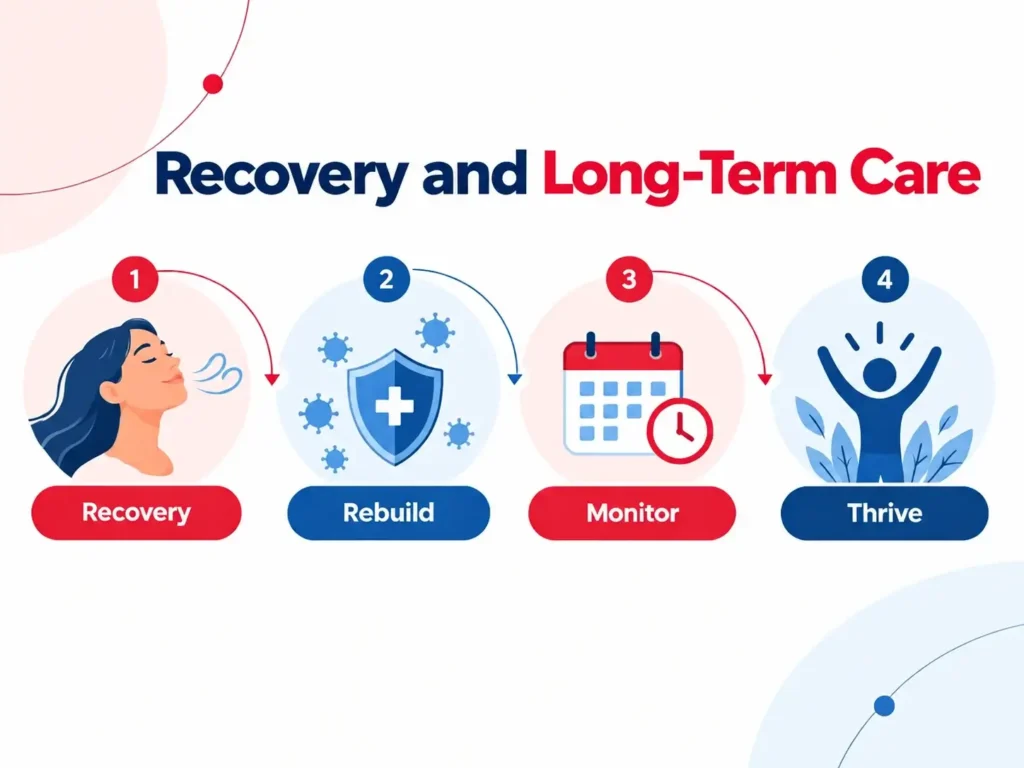
Recovery is gradual and varies by therapy. It involves rebuilding strength and immunity, watching for late effects and staying in regular contact with your care team.
What to expect after therapy
Energy returns slowly. Some patients feel better within weeks, while others need a few months.
Rebuilding immunity
Your immune system takes time to recover, so infection precautions remain important. Your doctor will guide you on vaccines and safe routines.
Managing late effects
Some effects can appear months or years later. Regular check-ups help catch and treat them early.
Long-term monitoring
Your team tracks your health with periodic tests and reviews, and supports your return to normal life.
Why Choose Dr. Sanjeev Kumar Sharma for Cancer Therapies in Delhi NCR?
Dr. Sharma is Principal Director of Hemato-Oncology & BMT at Paras Health Gurugram, with 20+ years of experience in blood cancer care. He offers personalised, evidence-based treatment with clear communication at every step.
20+ Years in Hemato-Oncology and BMT
1000+ Bone Marrow Transplants Performed
Experience in handling complex cases
Skilled in Haploidentical and Matched Donor Transplants
Thorough Evaluation and Strong Focus on Recovery and Monitoring
One of the trusted Hemato-Oncologist in Gurugram
Frequently Asked Questions
Everything you need to know before your consultation
Should I get a second opinion before starting cancer treatment in Delhi-NCR? expand_more
Yes, a second opinion before cancer treatment can confirm your diagnosis and treatment plan, especially for complex or rare cancers. Carry all reports and scans, and avoid long delays, as timing matters in many blood cancers.
Is cancer treatment covered by health insurance in India? expand_more
Most health insurance policies cover hospitalisation, chemotherapy and many cancer procedures, though limits and waiting periods vary. Check your policy and request pre-authorisation from the hospital's insurance desk before starting. Coverage for newer therapies may differ.
What should I eat during chemotherapy? expand_more
During chemotherapy, choose freshly cooked, easily digestible, protein-rich meals and drink plenty of fluids. Avoid raw or street food while immunity is low, and eat small, frequent meals if you feel nauseous. Your care team can suggest a plan.
Can I work or travel during blood cancer treatment? expand_more
Many patients continue working in a lighter capacity, especially on tablet-based therapies. It depends on your treatment, energy levels and infection risk, so discuss work and travel plans with your hemato-oncologist first.
How often are follow-up scans and tests needed after cancer treatment? expand_more
Follow-up is usually more frequent in the first two years after treatment and then spaced out. The exact schedule depends on your cancer type and response, and your doctor will personalise it to catch any change early.
Can blood cancer come back after treatment, and what are the warning signs? expand_more
Yes, some blood cancers can return, depending on the type and response to treatment. Contact your doctor promptly if you notice recurring fever, unexplained weight loss, new lumps, unusual bruising or persistent bone pain.
Can cancer treatment affect fertility? expand_more
Yes, some cancer therapies, including certain chemotherapy drugs and transplant conditioning, can affect fertility in men and women. Options like sperm banking or egg freezing exist, so discuss them with your doctor before treatment begins.
How can families support a loved one during cancer treatment? expand_more
Families can support a patient by accompanying them to appointments, tracking medicines, keeping the home hygienic to prevent infection and offering emotional support. Caregivers should also look after their own health.
Are Ayurvedic medicines or supplements safe during cancer treatment? expand_more
Not always. Some herbs and supplements can interfere with cancer medicines or affect blood counts, liver or kidney function. Always check with your oncologist first and share a full list of everything you take.
Can older adults safely receive chemotherapy and other cancer therapies? expand_more
Yes, age alone does not decide eligibility for cancer therapy. Doctors assess overall fitness and other health conditions, then adjust the treatment plan so it stays safe and effective.
 WhatsApp