
Blood Cancers
Cancers that begin in the blood, bone marrow, or lymphatic system, including leukemia, lymphoma, and multiple myeloma, treated through advanced chemotherapy, immunotherapy, and stem cell transplantation.
Learn about the range of conditions treated by Dr. Sanjeev Kumar Sharma, from leukemia, lymphoma, and multiple myeloma to thalassemia, sickle cell disease, and aplastic anemia. Find clear, easy-to-understand information on symptoms, causes, and advanced treatment options, including bone marrow transplantation, to help guide you through diagnosis, treatment, and recovery.
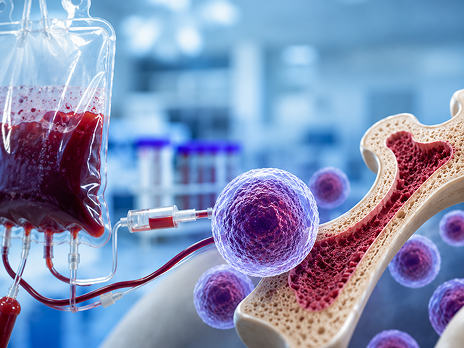
Explore the range of blood cancers and disorders treated by Dr. Sanjeev Kumar Sharma, backed by advanced diagnostics and evidence-based care.
Cancers that begin in the blood, bone marrow, or lymphatic system, including leukemia, lymphoma, and multiple myeloma, treated through advanced chemotherapy, immunotherapy, and stem cell transplantation.
Conditions such as thalassemia, sickle cell disease, and aplastic anemia that affect the production or function of blood cells, requiring long-term, specialised management.
Dr. Sanjeev Kumar Sharma treats a wide range of blood cancers, offering expert diagnosis and advanced, personalised treatment for each condition.
A fast-growing blood cancer that stops the body from making enough healthy blood cells. Getting diagnosed and treated early makes a big difference.
A blood cancer that develops quickly, most often seen in children but adults can get it too. It needs treatment right away to give the best chance of recovery.
A slower-growing blood cancer caused by a faulty gene. It can usually be kept under control for years with the right ongoing treatment.
A slow-growing blood cancer that mostly affects older adults. Many people live full, active lives for years with proper care.
A cancer that affects the lymph nodes and immune system. It responds very well to treatment, especially when caught early.
A group of cancers affecting the lymph nodes, with many different types. Treatment is planned based on which specific type a patient has.
A cancer that affects plasma cells in the bone marrow, which can weaken bones and affect the kidneys. Treatment helps control the disease and ease symptoms.
A condition where the bone marrow struggles to make enough healthy blood cells. It can be mild or more serious, so regular monitoring is important.
A group of conditions where the bone marrow makes too many blood cells. Ongoing care helps prevent complications and keep patients feeling well.
Dr. Sanjeev Kumar Sharma treats a wide range of non-cancerous blood disorders, providing specialised, long-term care tailored to each patient.
A condition where the bone marrow doesn't make enough new blood cells. Treatment focuses on helping the body produce healthy blood cells again.
An inherited condition that affects the body's ability to make healthy red blood cells. It's managed with regular check-ups, transfusions, or in some cases, a transplant.
A genetic condition where red blood cells become an unusual shape, causing pain and low energy. Ongoing care helps manage symptoms and prevent complications.
A condition where the immune system mistakenly destroys platelets, leading to easy bruising or bleeding. Treatment helps bring platelet levels back to a safe range.
Types of anemia caused by low iron or vitamin levels in the body. These usually improve well with the right diet and medical treatment.
A condition where red blood cells break down faster than the body can replace them. Treatment focuses on finding the cause and restoring healthy blood levels.
Conditions that affect how well the blood clots, leading to too much bleeding or clotting. Treatment is tailored to the specific condition and its cause.
A condition where the bone marrow makes too many red blood cells, thickening the blood. Regular treatment helps lower the risk of clots.
A condition where the body produces too many platelets, raising the risk of clotting. Long-term care helps manage the condition safely.
